No Shushing Required: Relaxed Christmas Carols Become a Festive Staple in 2026
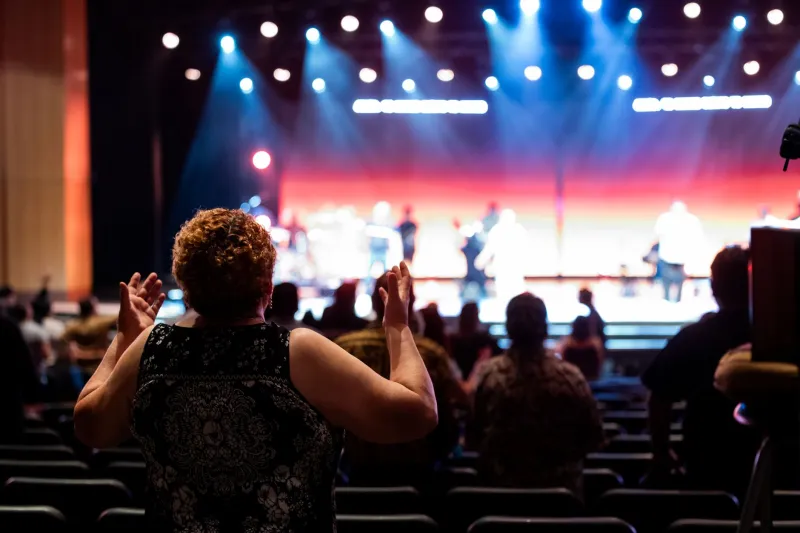
Walk into a relaxed performance of A Christmas Carol and the first surprise is often the light. The house stays half up. You can see the faces around you, the exits, the aisle. Nobody minds if a child stands up, whispers, or needs to leave and come back. The second surprise, for anyone who knows the story, is that the ghosts still land. Marley still carries a warning. The Cratchits still break your heart. The difference is that the production has stopped treating discomfort as part of the deal.
In 2026, relaxed performances of Dickens’s festive staple are turning up across the UK in a way that feels less like a box-ticking extra and more like a proper fixture of the Christmas calendar. From regional producing houses to smaller touring companies, the relaxed Carol has found an audience that wants the story, the songs and the snow without the sensory ambush.
What relaxed actually means now
The phrase can sound vague, so it is worth being precise. A relaxed performance usually means the auditorium is kept partly lit, sudden loud noises are reduced, strobe and flash are removed or softened, and audience members are free to move, make noise and step out if they need to. Many venues offer a chill-out space, sensory bags, ear defenders and a visual story that shows the building, the characters and the moments that might be tricky.
That is the practical side. The better versions go further. They think about the walk from the foyer to the seat, the queue at the bar, the moment the lights go down, and the fact that a theatre trip starts long before the curtain. A well-run relaxed show feels less like a special favour and more like a different way of holding the same event.
Softening Marley without losing the warning
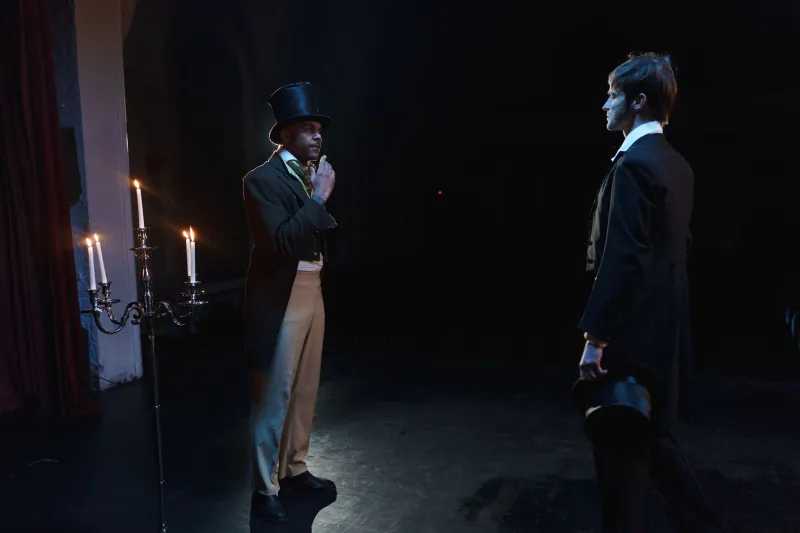
Marley’s Ghost is the obvious test. In a conventional production, the chain can arrive with a clatter designed to make the front row jump. In a relaxed version, the chain is still there. It may still be heavy, visible and morally loaded. But the sound designer might swap the shock bang for a lower, longer rumble. The actor might appear in view for a beat before the scene properly begins. The lighting might reveal rather than ambush.
That is not watering down Dickens. The point of Marley is not the jump scare. It is the warning: the chain is forged in life, link by link. A relaxed production can keep that idea fully intact while removing the physical jolt that would send half the audience into next week.
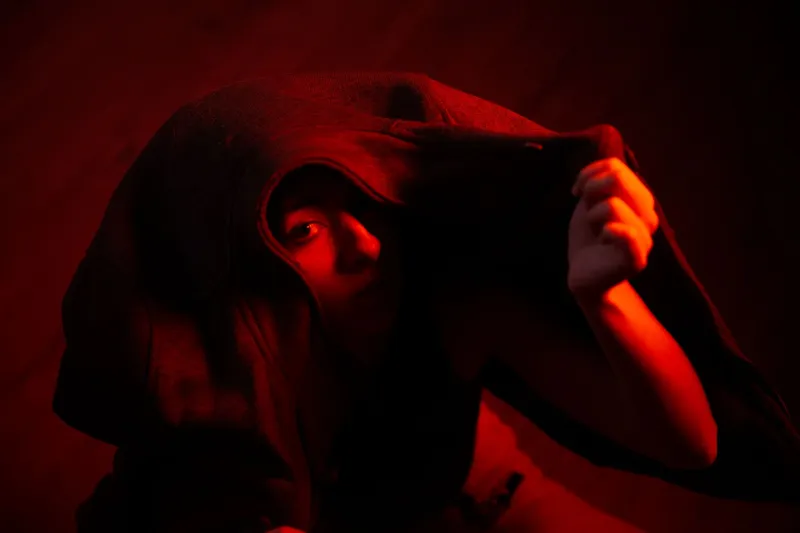
The Ghost of Christmas Yet to Come is the other one to watch. Some companies keep the silent, hooded figure; others make the actor visible earlier, use a puppet, or let the lighting carry the menace rather than a sudden blackout. The best versions understand that the phantom works through dread, not volume. Children can meet the idea of the future without being frightened of the building.
The bite is still the point
A relaxed Christmas Carol should not be a soft-focus version where Scrooge learns to be nicer and nobody mentions poverty. Dickens wrote a ghost story with a social conscience. The Cratchit table is still small. Tiny Tim is still ill. Ignorance and Want are still under the robe. The Fezziwig ball is still a burst of warmth that makes the counting house feel colder by comparison.
What changes is the delivery, not the argument. Companies are getting better at keeping the language, the stakes and the strange mixture of fright and generosity that makes the story work, while giving the audience a bit more control over how they experience it. That is a more interesting artistic choice than simply turning everything down.
How to spot a genuinely well-made relaxed show
Look for detail before you book. A good relaxed performance will publish a clear visual story, content notes and practical information about sound, lighting and audience movement. It will tell you whether the house lights stay up, whether there is an interval, how long the show runs and where the quiet space is. It will also train front-of-house staff, not just the cast.
Ask what has actually been adapted. If the answer is only that the lights stay on, that is not a relaxed performance; that is a normal matinee with the dimmer switch left alone. A thoughtful company will be able to tell you how Marley’s chain has been handled, whether the Ghost of Christmas Yet to Come appears suddenly, and whether there are moments of darkness or smoke.
It also helps to check whether the relaxed date is properly integrated into the run. A one-off performance tacked onto the end of a tour can still be good, but the strongest versions are built into the rehearsal process from the start. You can often feel the difference in the pacing and in the confidence of the cast.
What families can expect on the day
Expect a more flexible room. People may come and go. Children may ask questions. A phone might buzz and nobody performs a tragic sigh. That is the deal, and it is a good one. Arrive early if you can, tell staff what would help, and ask about step-free routes, accessible toilets and buggy storage. Many venues now offer sensory bags with ear defenders, fidget toys and a simple map of the building.
It is also worth preparing children for the story itself. A Christmas Carol is not a bland tale. It has death, regret, poverty and a grave. A relaxed performance makes the telling more accessible; it does not remove the content. Talk about the ghosts beforehand, check the age guidance, and use the venue’s content notes if they provide them.
Why this is becoming a festive fixture
The audience is there. Families with neurodivergent children, adults who find conventional theatregoing difficult, grandparents who prefer not to be startled, and anyone who simply wants a kinder route into a story they love are all part of the picture. The relaxed Carol also fits the season’s practical mood: people want a shared outing that does not require everyone to sit in rigid silence for two hours.
Dickens was a showman, not a museum piece. His readings toured, his stories were adapted, and his ghosts were designed to be experienced in a room full of people. Relaxed performances are part of that same instinct: keep the story alive by letting more people into the room. In 2026, that feels less like a trend and more like the shape of festive theatre to come.
If you are booking, start with the venue’s access page, then ring the box office with one or two specific questions. Ask which performance is relaxed, what changes are in place and how the ghosts are staged. A good answer will tell you plenty. A vague one will tell you something too. And if the house lights are up, the chain still rattles, and the Cratchits still land, you have found the right show.