The Bah-Humbug Backup Plan: Meet the Scrooge Covers Holding Christmas Together
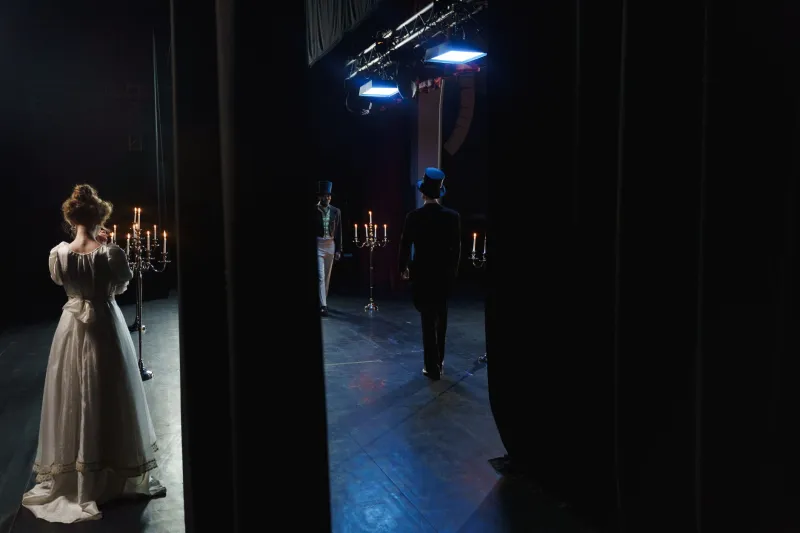
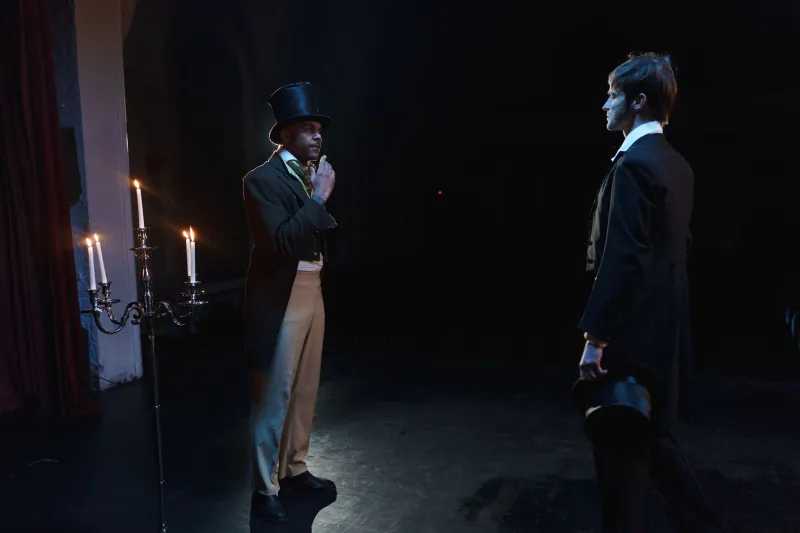
It is 7.42pm on a cold December evening in 2026, and the front-of-house manager is doing what front-of-house managers do in festive theatre: smiling, checking tickets, and quietly hoping that nobody in the building needs to know what is happening backstage. In the dressing room, a Scrooge is being helped into a nightshirt. In another room, a second Scrooge is already half in costume, script open, phone face-down, waiting for a call that everybody hopes will not come.
This is the world of the cover. The understudy. The swing. The person who has learned not just the lines but the exact way a particular production says “Bah, humbug” — and who can step into the middle of a Christmas Carol at short notice without letting the sleigh slide off the road.
At A Christmas Carolish, we spend a lot of time celebrating the ghosts, the Cratchits and the Fezziwig dance. This one is for the people who make sure those things still happen when the leading Scrooge wakes up with a throat like gravel.
What a cover actually does
In UK theatre, the vocabulary varies from building to building. An understudy usually learns one principal role. A cover may cover one or more parts. A swing is often an ensemble member who can slot into several tracks, depending on who is off. In a Christmas Carol, that might mean covering Fred on Monday, a party guest on Tuesday, and the ghost of Jacob Marley on Wednesday — while also knowing the Scrooge track in case of emergency.
“We plan for the plan to change,” says a stage manager at a regional UK theatre. “Christmas is wonderful, but it is also a season where people get ill, trains fail and family emergencies happen. A cover is not a backup in the sense of a spare tyre you forget about. They are part of the company from day one.”
That means attending rehearsals, learning blocking, noting every prop handover and watching the show from the wings. A Scrooge cover has to know the limp, the cough, the hat business, the timing with the ghosts, the way the bed is positioned, and the precise moment to look at Tiny Tim as if the floor has fallen away. They also have to understand the production’s tone. A comic Scrooge and a terrifying Scrooge may share the same words, but they do not share the same evening.
The call nobody wants, and everybody trains for
Covers often rehearse in “understudy runs” — performances where the cover goes on so the company can practise the change. These are not always glamorous. They can happen on a Tuesday afternoon in front of a handful of staff. But they are essential. They turn a terrifying possibility into a known quantity.
“You rehearse the phone call as much as the part,” says an actor who has covered Scrooge in a touring production. “You know that if the call comes, you have maybe a few hours. You do not panic. You eat something plain, you warm up, you check your props, and you trust the rehearsal you did in October.”
In a show with child performers, quick changes and a set that may include everything from a counting house desk to a gravestone, the cover’s job is not simply to remember lines. It is to keep the machine running. Stage management will update the running order; dressers will adjust costumes; the company will make small, invisible adjustments. If the cover has not had a full technical rehearsal as Scrooge, they may walk the stage beforehand, check the stairs, and talk through the ghost entrances with the deputy stage manager.
Why Scrooge is a particularly brutal cover
Scrooge is not a small part. He is on stage for much of the evening, ages across the story, falls apart emotionally and then has to be joyfully, ridiculously reborn. He may be required to climb ladders, kneel by a grave, dance at Fezziwig’s ball and deliver a long, winding speech to a boy outside a window. He is also the production’s emotional thermostat. If Scrooge is off, the whole evening can feel off.
That is why Christmas Carol companies tend to treat the cover with a mixture of respect and superstition. The cover is the person who knows the show well enough to be boring about it — in the best way. They know which ghost entrance has a tricky sound cue. They know the exact spot on the stage where the Cratchit dinner table sits. They know that the line about the boiled egg gets a laugh in some venues and silence in others.
And because December is December, the cover may be called upon at the worst possible moment: after the interval, before a press night, or on a Saturday when the auditorium is full of families who have travelled across the country for a festive treat.
The unsung ensemble
Not every saviour is billed as a Scrooge cover. In many Christmas Carol productions, the real safety net is the ensemble: actors who play multiple roles and can absorb a missing track with a change of coat and a bit of nerve. A swing might not know Scrooge’s part, but they may know three other tracks that allow the company to shuffle the jigsaw and keep the story upright.
“The audience sees one person missing,” says a company manager. “Backstage, it is a Rubik’s cube. Someone moves from one side of the stage to the other, a dresser finds a different waistcoat, and the show carries on. The best version of this is when nobody notices at all.”
That is not false modesty. It is the point. A cover’s success is measured by how ordinary the evening feels. The audience should leave talking about the ghost of Christmas Present, not about the fact that the actor playing Scrooge was on a train back from Leeds.
How to spot — and thank — the backup Scrooge
Sometimes a theatre will announce a cast change at the front of house or slip a note into the programme. If that happens, the kindest response is not a disappointed sigh. It is the same attention you would give any performer who has stepped into a difficult job at short notice. Covers are not a lesser version of the show. They are the reason the show is still there.
You can also look out for the small signs: a cast board updated in a hurry, a company member watching from the wings, a stage manager giving an extra-long note at the interval. And if you enjoy a Christmas Carol this December, spare a thought for the person in the dressing room who learned every line just in case. They are the bah-humbug backup plan. And in festive theatre, that is a genuinely lovely thing to be.