Laughing All the Way to the Counting House: In Defence of the Comic Scrooge
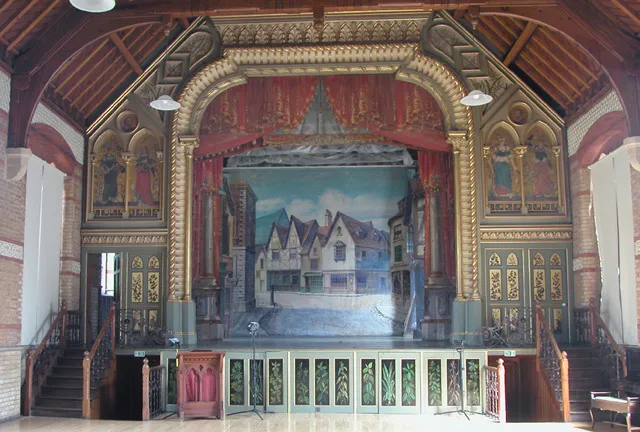
Photo: Dennis Turner, CC BY-SA 2.0, via Wikimedia Commons
There is a moment in every production of A Christmas Carol when Scrooge is supposed to be genuinely unpleasant. The carol singers are chased off, the clerk is grumbled at, the charity collectors are sent packing. Done badly, this section can feel like a lecture. Done well, it is one of the funniest stretches of theatre in the festive calendar. That is the case for the comic Scrooge: not a softened miser, but a sharper one, played by someone who understands that meanness has a rhythm.
Dickens wrote the character in 1843 as a study in coldness, but he also wrote him as a theatrical gift. Scrooge is grumpy, petty, suspicious and strangely eloquent about his own misery. The lines are funny on the page. On stage, they become funnier still when an actor knows exactly where to pause, when to undercut a solemn moment with a sniff, and when to let the audience laugh before the ghosts arrive to spoil the party.
The Counting House as a Comedy Stage
A great comic Scrooge treats the counting house like a stand-up set with ledgers. The miser's routine is repetitive and precise: the same suspicious glare, the same dismissive wave, the same refusal to spend a penny on coal. Comedy actors are trained to find the pattern in that repetition and then break it at exactly the right moment. A tragedian can make Scrooge pitiable from the first scene. A comedian can make him ridiculous, which is often more truthful. Dickens's miser is not a monster; he is a man who has talked himself into a very small life, and small lives are frequently funny.
This is why regional theatres so often cast sitcom stalwarts, panto veterans and stand-ups in the role. They bring an instinct for audience contact that suits a story built on direct address and wintery asides. When Scrooge mutters something about the superfluous population, a comic actor can make the line land as a horrible joke rather than a policy statement. The audience laughs, then feels slightly guilty for laughing. That flicker of discomfort is useful. It keeps the moral engine running.
Timing Is Everything, Even at the Grave
None of this means the Ghost of Christmas Yet to Come should be played for laughs. The best comic Scrooges know when to stop. They understand that comedy is not a constant stream of gags but a matter of contrast. A raised eyebrow at Fezziwig's ball can be hilarious; a whispered line at the graveside can be devastating if the actor has spent the first half earning the right to be quiet.
Directors talk about this balance constantly. The danger is a production that treats the redemption as a sentimental add-on to a comedy show, or a production that treats the comedy as a suspicious intruder in a serious moral tale. The sweet spot is a Scrooge who is funny because he is defended, and then moving because the defences come down. Comedy actors are often very good at that transition. They know how to play a character who is performing a version of himself, and they know how to let the performance crack.
Why Families Lean In When Scrooge Gets a Laugh
For families, a funny Scrooge is an invitation. Children who might be wary of a dark Victorian morality tale are reassured by laughter. They understand a grumpy man slipping on his own rhetoric. They enjoy the physical comedy of the morning-after conversion: the scrambled apologies, the overexcited ordering of the turkey, the slightly manic generosity. A comic Scrooge gives younger audience members a way into the story that does not depend on them already loving Dickens.
That matters for festive theatre in 2026, when families have plenty of options and not much patience for anything that feels like homework. A production can be atmospheric, candlelit and faithful to the text while still letting the audience laugh at the old miser. In fact, the laughter often makes the serious moments land harder. When Scrooge finally says something sincere, the audience has been laughing with him and at him for an hour. The change of gear feels earned.
A Punchline Before the Change of Heart
So let us stop treating the comic Scrooge as a guilty pleasure or a compromise. The role is funny. Dickens made it funny. The best British actors in the part have always known that a miser with impeccable timing is not a softer Scrooge but a more complete one. He is ridiculous enough to laugh at, clever enough to argue with, and human enough to cheer for when the morning comes.
A Christmas Carol works because it is a ghost story, a social tract and a comedy of manners all at once. The comic Scrooge holds those tones together. He gives the audience a punchline before the change of heart, and in doing so he makes the change feel like something worth waiting for. That is not a gimmick. It is Dickensian theatre at its most festive and bright.